“Findable designs, manufactures and installs wayfinding systems that move people effortlessly through complex public and commercial spaces,” says Co-Founder and Creative Director Matt Williamson.
A joint effort from the teams at Insol and Signx, Findable provides end-to-end wayfinding solutions for major builds across the full architectural landscape throughout New Zealand. “Often on a building project, signage falls into a scope gap between the architects, client and contractor,” Matt says. “When no single team owns the process, it becomes everyone’s headache, leading to fragmented execution, middleman mistakes, and lost design intent.”
Findable’s purpose is to eliminate that friction, Matt says, by bringing strategy, manufacturing and installation together under one roof. “What makes us unique is our single line of accountability. We become an extension of the architect’s pencil, helping to develop a clear signage schedule which is included in the main drawing package. We see it through to completion, so the client gets a more usable space that works as per the original design intent, and nothing gets lost between the design and construction.”
The process begins by examining human behaviour and spatial dynamics, which can vary widely between different building layouts and applications. “There are three main areas we look at in the design phase: journey transition points, decision nodes, and architectural integration. Journey transition points are where users change modes, e.g. transitioning from a carpark to reception or switching transit routes. Decision nodes and hesitation risks identify exact zones where a split-second of confusion could cause congestion or disrupt the user journey. Architectural integration involves assessing how signage mounting details, sightlines, and fixings mesh into the building fabric without creating unnecessary visual clutter.”
When the job is done right, visitors don’t even notice, Matt says. “Successful wayfinding means that visitors arrive at their destination effortlessly without ever having to pause and reorient themselves. By eliminating hesitation, we create elevated first impressions and optimise crowd flow across high-density spaces.”
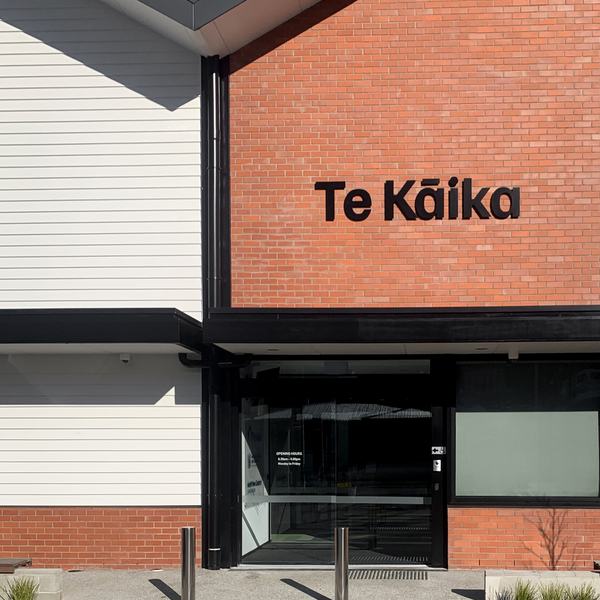
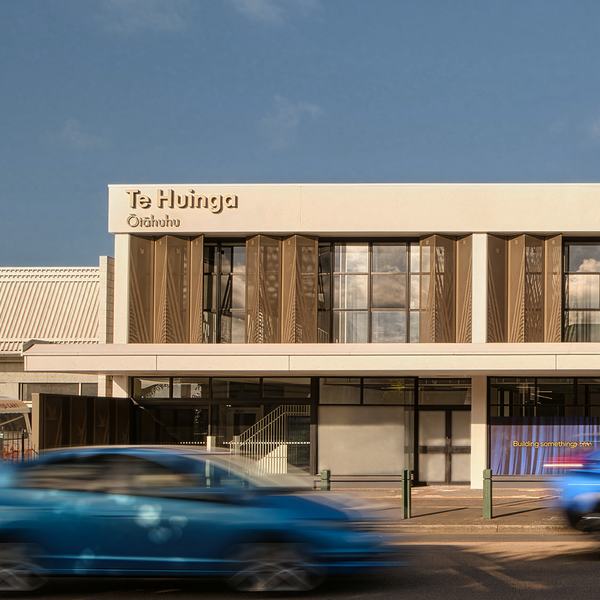
The best way to achieve a smooth and seamless result is to get Findable involved early in the design process. “Wayfinding isn't just a sign schedule or compliance plates tacked on at the end of a build. It spans the full architectural scale, from civic-scale façade signage that announces a landmark, right down to the individual room identification plate inside. When signage is treated as an afterthought and split between multiple sub-trades, quality and budget suffer. True wayfinding is about restraint, single-team ownership, and early spatial planning.”
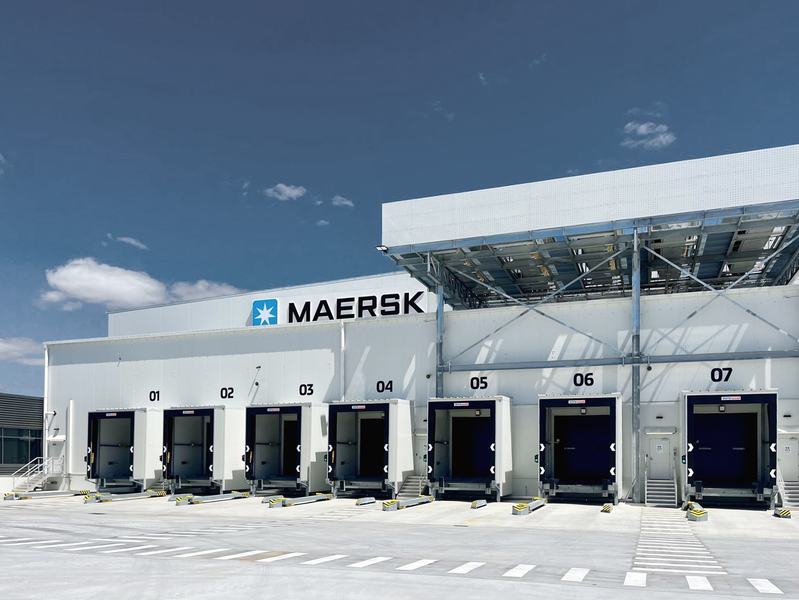
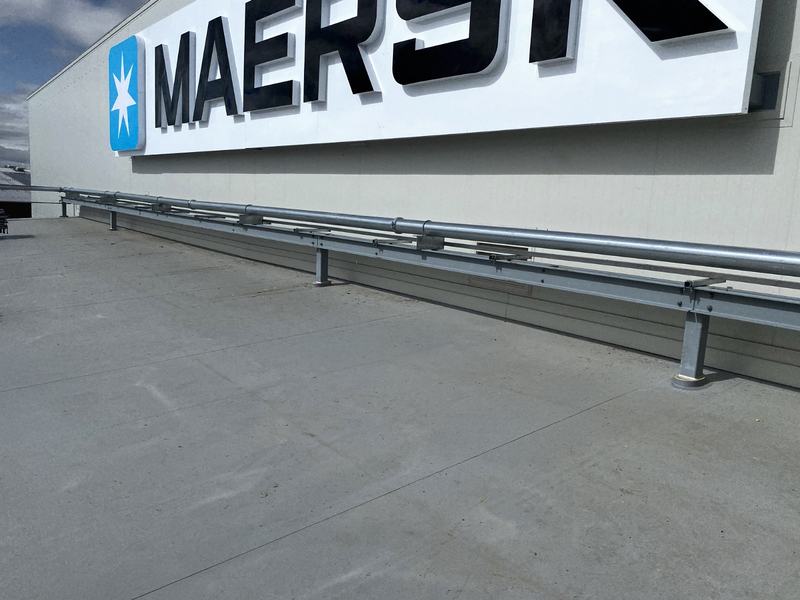
Findable’s work is now on display throughout New Zealand in a range of hospitality, industrial, commercial and office spaces. “Ebb Hotel in Dunedin is a small and narrow building, with a floor plan that separates circulation across split-level corridors. With so many navigation options presented to guests within a short field of view, their wayfinding had to be simple and immediate while integrating into their luxury interior finishes. On the other end of the spectrum is Maersk Hamilton, an industrial superhub with a 18,000sqm integrated coldstore facility that required navigation designed for operational clarity and driver safety.
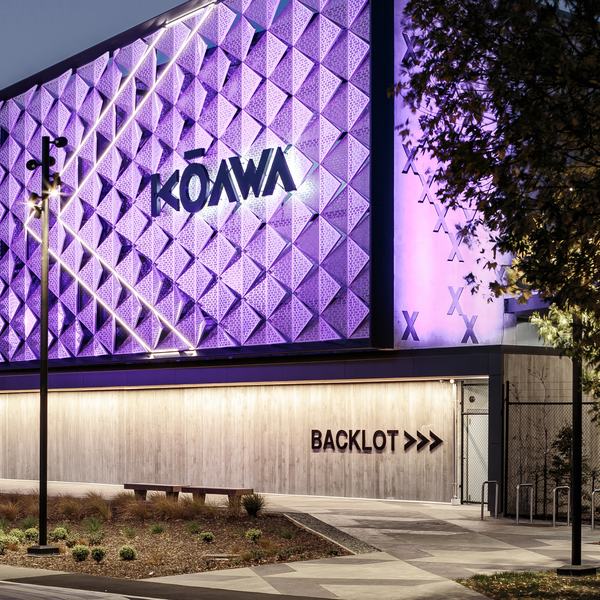
“We also recently completed work on Koawa Studios in Christchurch, a film production campus with new crews and students every day who require quick, easy access to stages, offices and backlots. Their system needed to be instantly navigable to people who had never been on site and robust enough to live outdoors alongside trucks, rigging, and set builds. On the commercial side of things, we created a strategy for 519 Great South Road, a multi-tenant commercial building in Auckland with shared entries serving businesses across several levels. Findable designed, made and installed a wayfinding system that makes those entries and level directories legible to every visitor.”
Matt is most excited by seeing complex spaces function effortlessly. “There’s immense satisfaction in watching someone navigate a multi-layered site without a single moment of doubt. We also take huge pride in our craft, translating spatial planning into beautifully engineered hardware that endures over time.”
Findable is now working on scaling their end-to-end wayfinding framework across major transport, civic, and commercial developments, Matt says. “We’re continuously refining how visual guidance interacts with modern architecture while setting benchmark compliance and sustainability standards.”
To learn more and connect with Matt, visit www.makeitfindable.com, give Findable a call at +64 21 973 302, or connect with their local teams in Auckland, Wellington, Christchurch and Dunedin. “If you have an upcoming project and want to pass the wayfinding piece to a team that owns it completely, with zero grey area, let’s talk.”