“Structural Insulated Panels have a lot of benefits, with energy efficiency being the main driver,” says Corban Faulkner, General Manager Residential at Formance.
Since 2012, Formance has been supplying the New Zealand market with high-performing Structural Insulated Panels (SIPs) for a range of residential and commercial projects. “The business started after the Christchurch Earthquake when our founders went looking for earthquake-proof housing solutions and he learned about SIPs, which have been used in the States since the 1970s.”
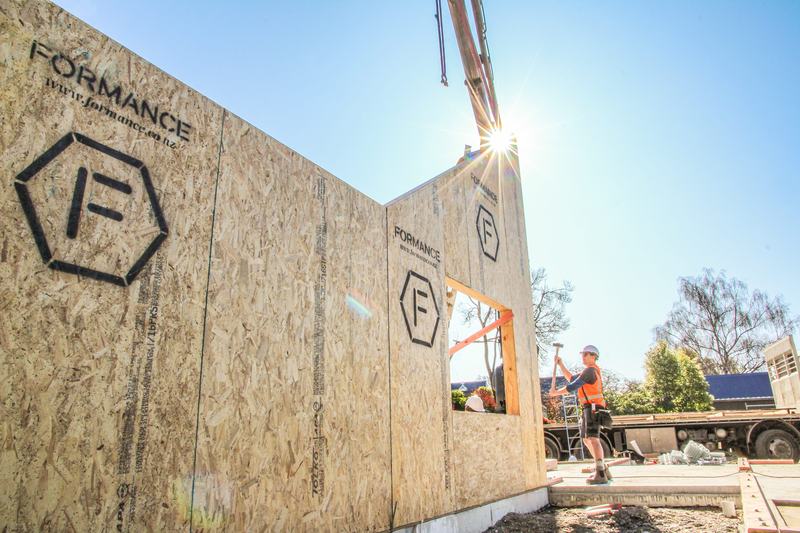
SIPs are thermally efficient composite panels for walls, roofs and flooring that consist of a sandwich of two layers of structural board with an insulating layer of foam in between. Formance’s SIPs are made from just two ingredients: Oriented Strand Board (OSB) and locally sourced Expanded Polystyrene (EPS). “We use OSB because of its strength and because it uses 90% of a tree when it’s manufactured, compared to just 25% used in traditional framing, and we work with EPS because it is the only fully recyclable rigid foam available on the market.”
This simple combination of materials replaces conventional framing with a solution that withstands higher wind and seismic forces, while also creating a building envelope that provides optimum comfort and peace of mind. “The panels are high insulation, low thermal bridging, and extremely air tight,” Corban says. “Those things come together to create a holy grail of wall, roof and floor systems, resulting in buildings that retain temperature much better than traditional construction.”
For occupants, this means healthier, more energy-efficient homes. “Homes built with our SIPs are more comfortable to live in with lower power bills and lower operational carbon. They’re strong and quiet, and because they’re airtight, you can manage air with mechanical ventilation, which is a much healthier option for people with health challenges like respiratory illnesses. If you put a timber frame house next to an SIP house, ours would be about 50% more energy efficient as a baseline, with options to further improve that performance up to Passivhaus level.”
Formance’s SIPs enable industry professionals to meet H1 and Building Code compliance requirements and take a shortcut to create higher-performing homes that meet Passivhaus and Greenstar ratings. “It’s a foolproof way of achieving a high-performing envelope and the easiest way to meet those standards. As a fully pre-engineered and Codemarked system, our SIPs also bring a lot of functional benefits, including the ability to specify the product and submit the design to your local Council without the need for an engineer. We can also assist with thermal modelling and review and cost building plans. If you want to know performance details like the percentage of overheating in the summer, we can input different products and give you an output with some feedback on how they will perform.”
The strength of Formance’s technical information and their long track record are what set them apart from others in the New Zealand SIP space, Corban says. “Our Codemark design guide is like a 3604 manual for Formance SIP panels, and we have a strong technical team to back it up. Today thousands of New Zealanders live, learn and work in buildings made from Formance panels. In projects across the country, we’ve worked hard to make this product a more mainstream option. There are also some key differences that set our product apart. Others use a polyurethane (PUR) blown foam, which has an insulation performance that drops off over time, whereas our EPS is 95% air, with a performance that is the same in 50 years as it is on day one. Our product is also very light, which means you don’t need to beef up your foundation requirements, and our OSB timber allows for more flexibility with different claddings and internal linings.”
Corban’s focus is on the residential home side of the market, which he does alongside William Hubbard, General Manager Commercial, who looks after multi-unit residential, social housing, and education projects. “I started with Formance in the factory and manufacturing space, so I got to know the process and the elements that make up a complete product really well. I then transitioned into the residential sales side of the business. That’s what I look after now: forever homes for our customers to raise families in.”
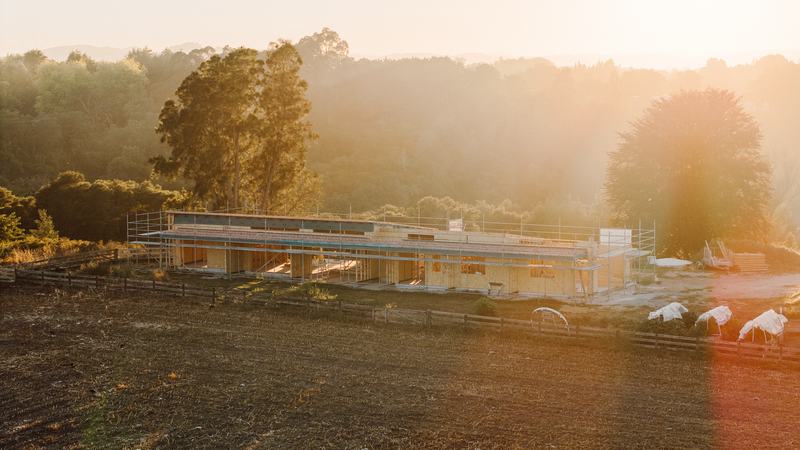
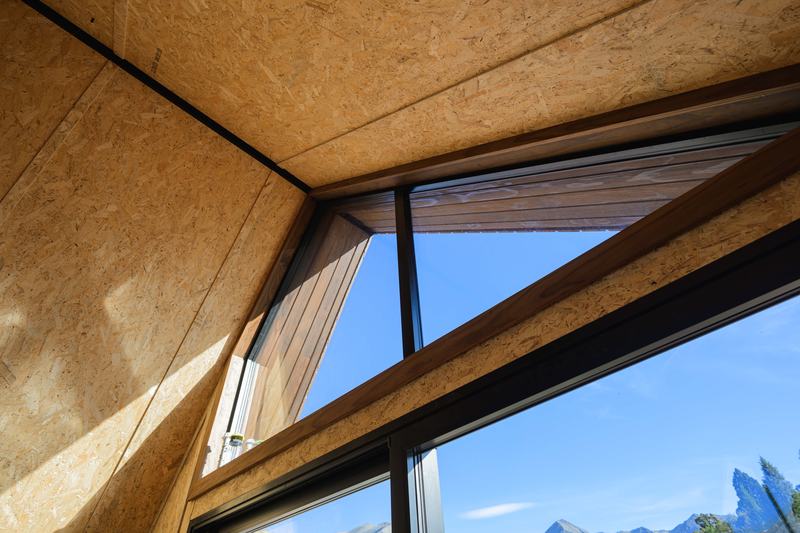
One such space is Wanaka Holiday Retreat, an efficient and carefully considered home that beats the Otago winter while optimising a minimalist, Japanese-inspired footprint. “It’s a simple gable form in two storeys that really speaks to the whole vibe of a sanctuary. Visually it’s quite striking, and it also offers peak thermal efficiency and an excellent use of space, with no need for the roof trusses that would have been required with traditional framing.”
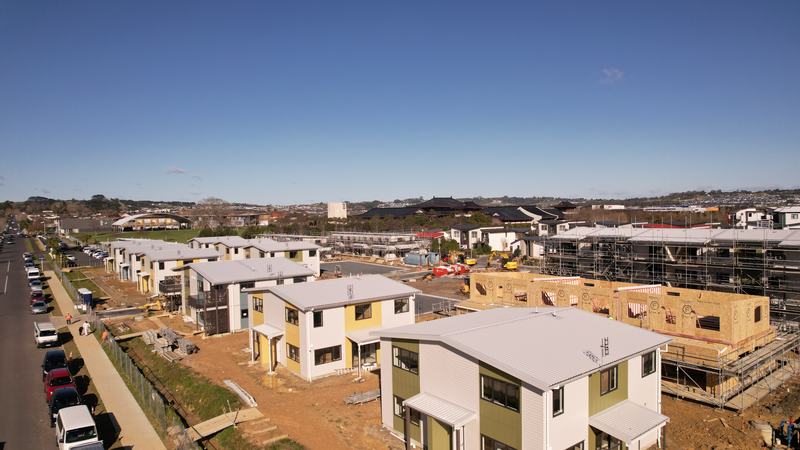
On the commercial side of the business, Corban’s counterpart William is leveraging the benefits of SIPs in repeating designs that can speed up time on site. “Our Salvation Army Social Housing project in Westgate is a 22-home development which helps occupants meet energy costs by providing fantastic insulation; tenants are comfortable in the summer while hardly requiring heating in the winter.”
SIPs can help significantly with the speed of larger builds like this, Corban says, saving industry professionals time and money on site. “We have an option to preassemble SIPs into larger sections, which streamlines the install. We can also offer the benefit of contemporaneous workflows, where the structure goes up quickly as one complete, compliant system, allowing internal trades and external trades to work at the same time.”
With buildings all over NZ, and a 14-year track record, Formance is becoming the easy choice for higher performing homes. The goal moving forward, Corban says, is to make it more common in the New Zealand market. “Our product used to be a new solution that people would trial, but we’ve established it now. And there’s no reason why more homes can’t use SIPs. There’s still a lot of work to do on educating the industry and homeowners about what we do, but as soon as people understand how poor the status quo can be, they know that something better is needed. It’s all about making the market understand that performance is a spectrum, and by changing a few key things and following some basic principles, they can significantly improve outcomes.
“The message we want to get out there is that there is a decision point which can and should be included very early in the design stage about what your house is going to be made out of. Before you talk about the size of rooms, layout, flow, cladding, you need a stop point to talk about the whole home and how it will perform for you and your family.”
To learn more and connect with Corban, visit https://formance.co.nz/, keep an eye out for their upcoming open day events, or view the products yourself at their Christchurch showroom.